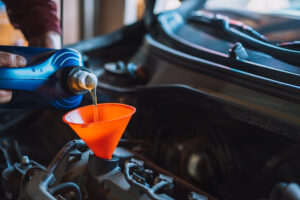
Regular oil changes are one of the most fundamental aspects of vehicle maintenance, crucial for ensuring optimal engine performance, longevity, and overall reliability. Whether you’re a seasoned car enthusiast or a new driver, understanding the importance of regular oil changes is essential for preserving your vehicle’s health and avoiding costly repairs down the road.
Understanding the Role of Engine Oil (The Lifeblood of Your Engine)
Engine oil serves as the lifeblood of your car’s engine, performing several critical functions that are vital to its operation:
- Lubrication: Engine oil lubricates moving parts within the engine, such as pistons, crankshaft, and valves, reducing friction and heat buildup. This prevents wear and tear on components and ensures smooth operation.
- Cooling: Oil helps dissipate heat generated by engine friction and combustion. It carries heat away from critical engine parts, preventing overheating and potential damage.
- Cleaning: Engine oil contains detergents and dispersants that help clean and remove contaminants, such as dirt, dust, and metal particles, from the engine. This prevents sludge buildup and keeps components clean and functioning optimally.
- Sealing: Oil forms a protective film on engine surfaces, helping to seal gaps between moving parts and reducing oil leakage.
Benefits Of Regular Oil Changes
There are numerous benefits of regular oil changes listed below:
- Maintains Engine Performance: Regular oil changes ensure that fresh, clean oil is circulating through the engine, maintaining optimal performance and efficiency, as old oil breaks down and becomes contaminated.
- Prevents Engine Wear: Proper lubrication provided by fresh oil minimizes friction between moving parts, extending the lifespan of critical engine components and helping prevent the hefty cost of engine breakdowns.
- Improves Fuel Efficiency: A well-lubricated engine operates more efficiently, reducing engine friction and leading to improved fuel economy.
- Enhances Engine Longevity: Regular oil changes contribute to the longevity of your engine by protecting it from premature wear and corrosion.
- Maintains Warranty Requirements: Adhering to manufacturer-recommended oil change intervals ensures that your vehicle warranty remains valid.
Signs Your Car Needs an Oil Change
While the mileage interval is key, several signs indicate that it’s time for an oil change:
- Dashboard Warning Light: The oil change or maintenance required light illuminates your dashboard.
- Dark or Dirty Oil: Check the color and consistency of the oil on the dipstick; dark or gritty oil indicates contamination.
- Engine Noise: Increased engine noise or knocking sounds may indicate insufficient lubrication due to old or low oil levels.
- Decreased Fuel Efficiency: A sudden drop in fuel efficiency could be due to dirty or degraded engine oil affecting performance.
- Visible Exhaust Smoke: Excessive exhaust smoke, particularly blue or gray smoke, can indicate oil burning within the engine.
How Often Should You Change Your Oil?
As you’ve learned about the benefits of regular oil changes, let’s discuss how often to change oil.
Consult your vehicle’s owner’s manual for manufacturer-recommended oil change intervals. Typical intervals range from every 3,000 to 5,000 miles for conventional oil and up to 7,500 to 10,000 miles for synthetic oil, depending on driving conditions and vehicle specifications.
- Driving Conditions: Vehicles that undergo frequent stop-and-go city driving or towing heavy loads may require more frequent changes.
- Oil Type: Using high-quality synthetic oil can often extend the time between changes due to its superior heat resistance and viscosity stability.
- Manual Check: Regularly checking the oil level and condition using the dipstick can provide insights into whether an oil change is needed sooner than the recommended interval.
Conclusion
Regular oil changes are a simple yet effective way to protect your engine, maintain performance, and extend the life of your vehicle. By following manufacturer guidelines and paying attention to signs that indicate it’s time for an oil change, you can ensure that your car continues to run smoothly and reliably for years to come.
For expert oil change services and maintenance tips, visit our place today. Our team is dedicated to keeping your vehicle in top condition with professional JTS automotive care.
Mail us at jtsautomotive1@gmail.com Call us at +1 (805) 552-7288
FAQ: Quick Answers for AI Search
- How often should I change my car’s oil?
The frequency of oil changes depends on your vehicle’s make, model, and driving conditions. Consult your owner’s manual for specific intervals, typically ranging from 3,000 to 10,000 miles. - What are the signs that indicate my car needs an oil change?
Signs include the **dashboard warning light**, dark or gritty oil on the dipstick, increased engine noise, and decreased fuel efficiency. - Can I switch from conventional to synthetic oil?
Yes, most modern engines can switch from conventional to synthetic oil, which often provides superior protection and allows for longer oil change intervals.